
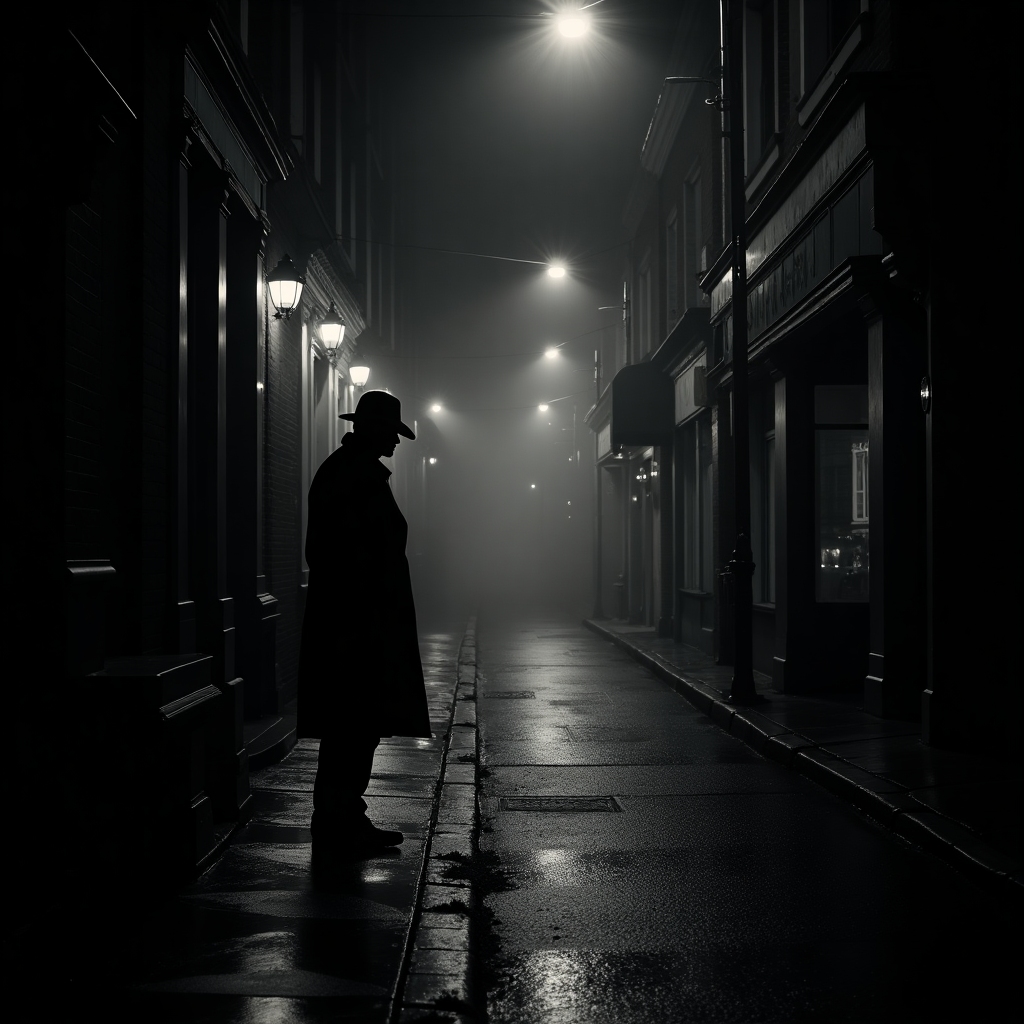
Urban nights, borrowed laments
In cities, the blues leaned into noir sensibilities: a cinematic mood, chiaroscuro guitar lines, and lyrics that chronicled solitude, betrayal, and survival under dim marquees.
An editorial chronicle
From rain-lit alleys and cigarette haze to vinyl grooves and midnight laments, noir blues carved a shadowed lineage through American music. Step into its origins, its legends, and its enduring echo.
Navigate the story
FAQ & sourcesOrigins
Noir blues emerged from the crossroads of southern blues traditions and the restless heartbeat of urban nightlife. As the Great Migration drew musicians into Chicago, Detroit, and Memphis, the music absorbed the neon hush of late-night streets and the hard poetry of working-class survival. The result was a sound steeped in shadow: minor-key laments, slow-burning rhythms, and storytelling that felt more like confession than entertainment.
Archival Note
Club listings from the 1940s described the style as “midnight blues,” a term that captured its intimate stagecraft and the hush of smoke-filled rooms.
In cities, the blues leaned into noir sensibilities: a cinematic mood, chiaroscuro guitar lines, and lyrics that chronicled solitude, betrayal, and survival under dim marquees.
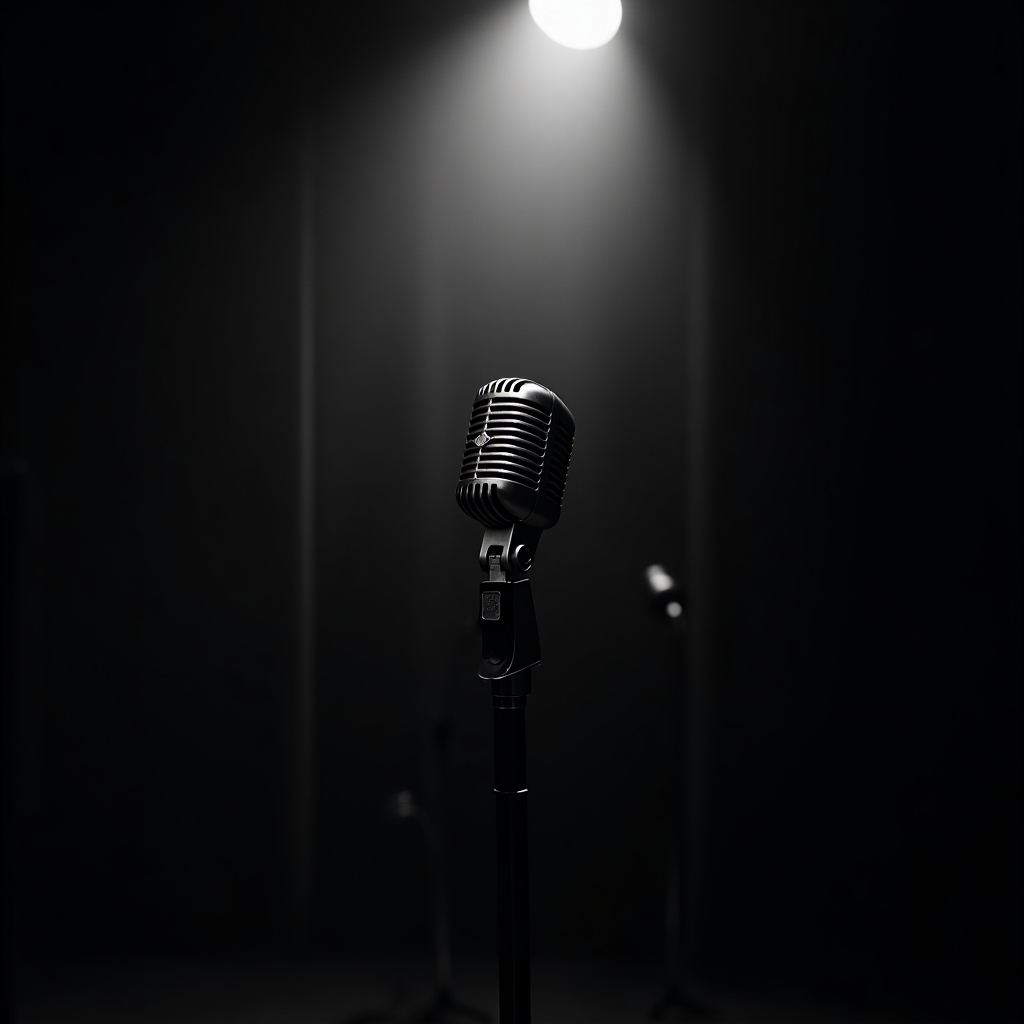
The intimate scale of late-night clubs invited a quieter, more deliberate delivery. Singers leaned into the mic, turning every verse into a whispered narrative.
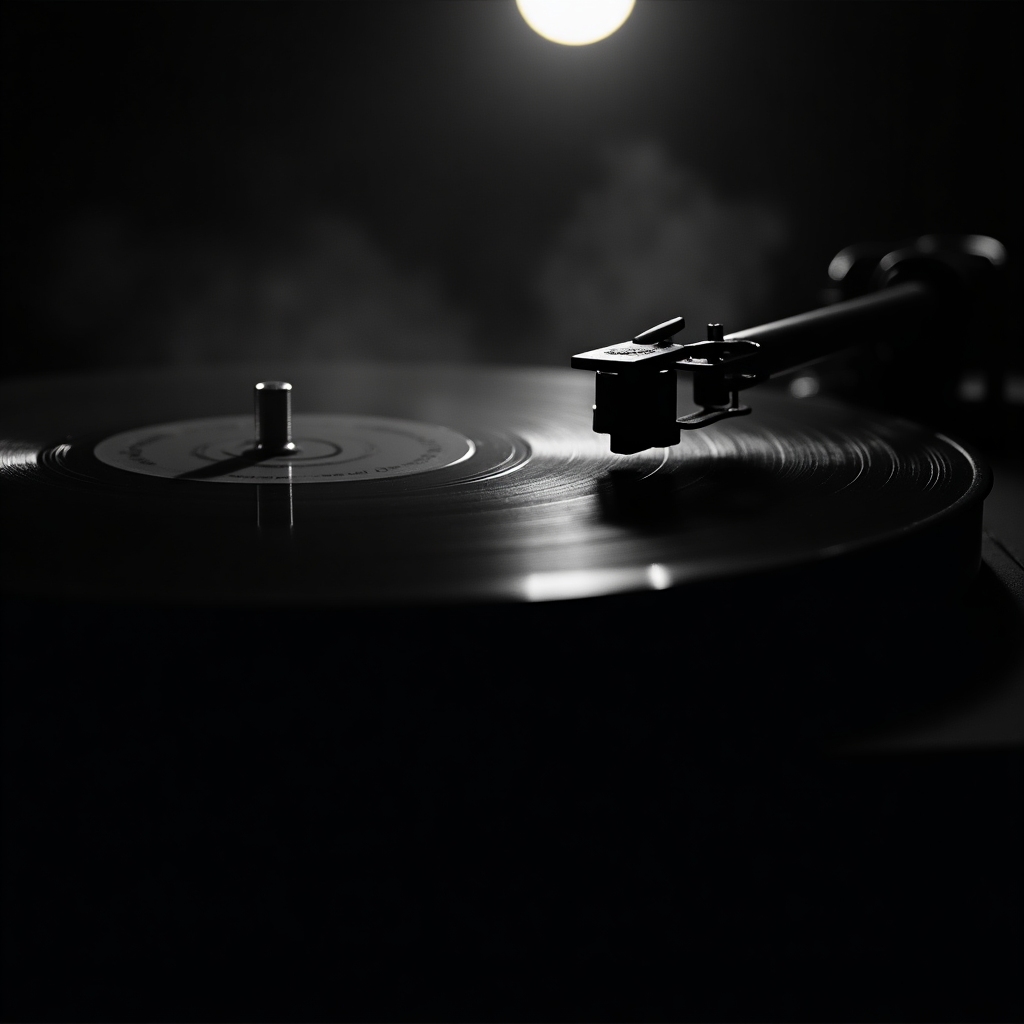
Early recordings captured the slow sway of noir blues, preserving an atmosphere of smoky rooms and late confessions that still colors the genre today.
Cultural Roots
Noir blues absorbed the language of film noir: fatalistic romance, fragmented memory, and a devotion to atmosphere over spectacle. It carried forward the emotional candor of Delta blues but dressed it in urban silhouettes, brass-dim light, and the hush of after-hours storytelling. The overlap wasn’t accidental — it was a shared vocabulary for survival.
Evolution Through Time
From back-alley juke joints to post-war neon corridors and today’s cinematic revivals, noir blues has kept its hush and ache. This timeline traces the genre’s transformations while honoring its slow-burning soul.
Whispered laments seep from smoky speakeasies and back-street clubs, where blues meets noir storytelling. Sparse guitars, minor keys, and murmured vocals sketch the first silhouettes of the sound.
After the war, noir blues grows heavier. Urban horns, slow piano echoes, and weary baritone voices mirror city lights and late-night patrols, turning heartbreak into a cinematic slow burn.
Filmmakers and underground scenes rework noir blues with electric textures and ambient haze. The mood remains fatalistic, but the palette expands—synth swells, reverbed guitars, and long, cinematic pauses.
Contemporary artists revive the nocturnal spirit with vinyl warmth and stage-light drama. Noir blues now haunts festivals, streaming playlists, and art films—proof that its shadow still breathes.

Defining Hallmarks
A sound carved from midnight streets and smoky rooms—noir blues leans into restraint, atmosphere, and storytelling to summon a cinematic mood that lingers long after the last note fades.
Melodies move like confessions—slow, deliberate, and unafraid of silence, revealing a soul that aches but never breaks.
Noir blues favors dim light and long echoes—tonal choices that feel like a slow pan across rain-slick streets.
Guitars, brush drums, and hushed keys leave room for breath; every note carries weight like a whispered warning.
Stories drift through empty avenues and late trains, capturing isolation within the hum of city life.
Lyrics unfold like noir scripts—troubled protagonists, dim alleys, and choices made under a neon glow.
The sound glows after midnight—intimate, smoky, and charged with the hush between a singer and the room.
Legends & shadows
Noir blues legends lived between spotlight and smoke. Their songs lingered in backroom clubs, on rain-slicked streets, and in the soft hiss of late-night radios — an elegant record of longing, betrayal, and survival.
“Every torch song was a confession. Every riff, a disappearing streetlight.”
Editorial note
Smoky clubs
A restless ensemble that turned dim basements into sanctuaries. Their slow-burning grooves matched the fog rolling in from the docks, and their horns painted silhouettes against violet-black air.
A traveling guitarist whose harmonica echoed across steel tracks, turning departures into elegies. His melodies were as steady as the wheels and as lonesome as the last seat in the car.
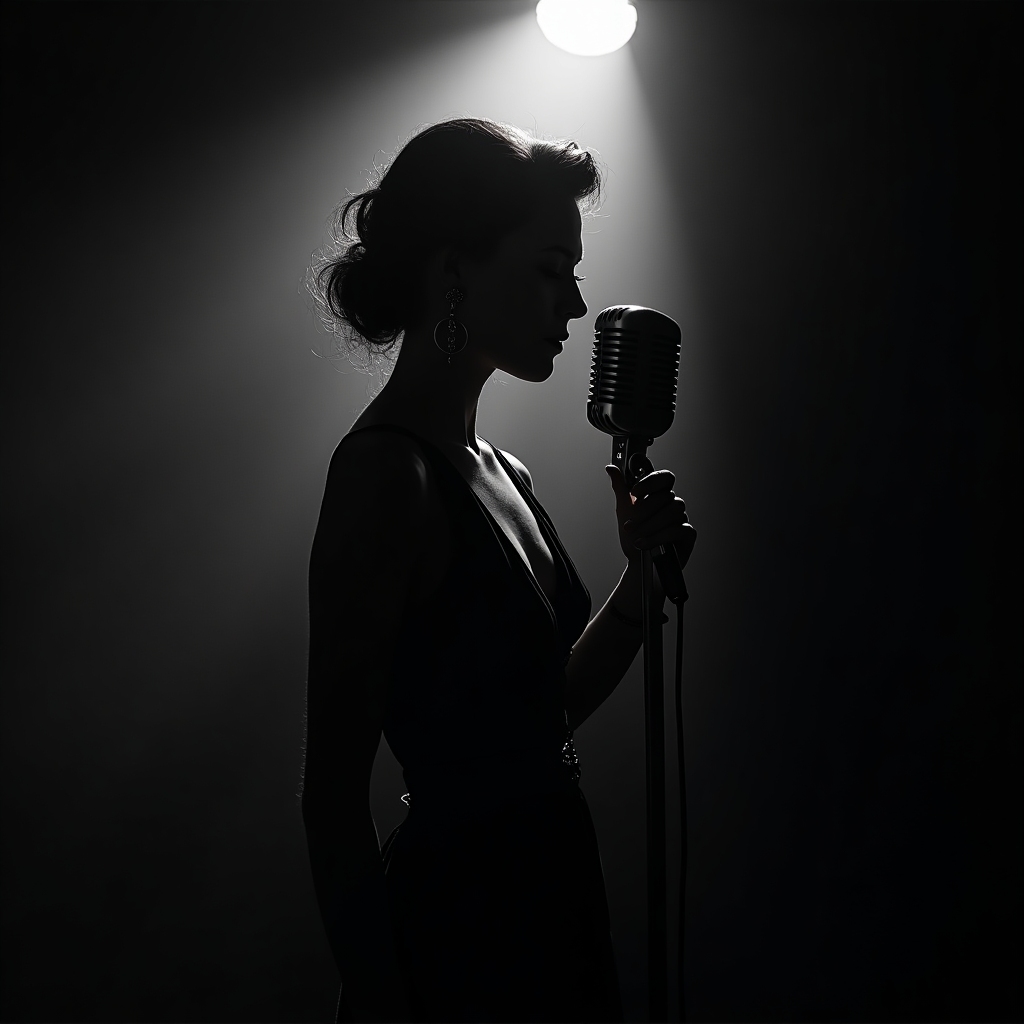
Her voice was velvet and bruised. Each refrain documented a romance gone cold, the sound of neon fading from a window as dawn approached.
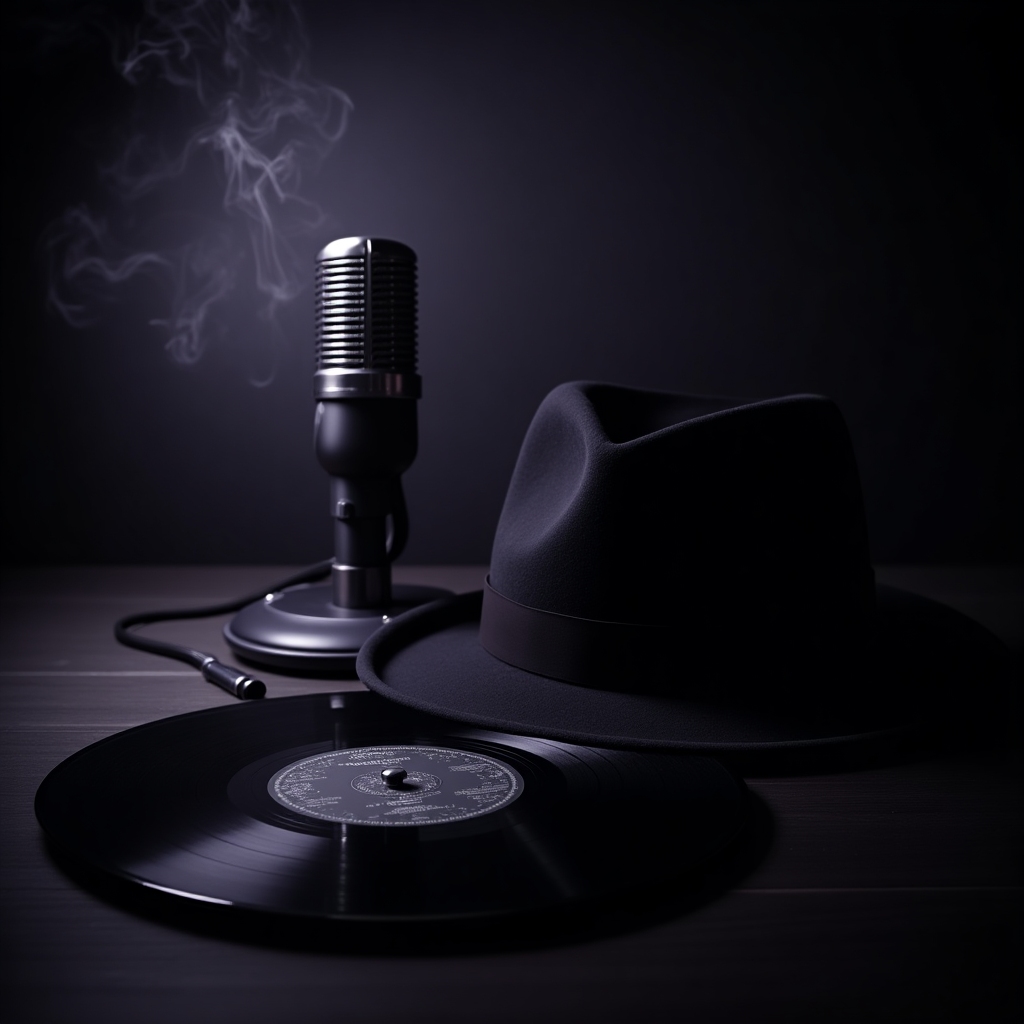
Noir storytelling
A radio host who curated crime ballads and whispered narrations, threading blues with noir fiction. His broadcasts blurred the lines between confession, cautionary tale, and slow-burning desire.
Frequently asked
Noir blues lives between a dim alley and a slow-burning confession. These answers trace the genre’s shadows—its lineage, mood, and enduring pull.